

How to Send Money to an Inmate in Canada
Instructions on sending money to an inmate in a Canadian federal institution.
Who can send money to an inmate?
The Correctional Services of Canada (CSC) website states that the person who can send money to an inmate must have a “verifiable legitimate relationship with the inmate”.
Though this may seem unclear on the CSC website, through experience, someone who wants to send an inmate money must be an immediate family member or, in some cases, on the inmate’s visitation list. This may vary by institution, so make sure you confirm with your loved one.
How much money can you send?
The amount may vary by institution, but from experience, there is a limit that can be sent each year. We know this isn’t a helpful answer!
This webpage outlines more information on funds: Commissioner's Directive 860: Offender’s money
Where does the money go?
There are two accounts: a current use account and a savings account.
Current use account: Used for daily allowance and can be spent at the canteen.
Savings/trust account: Money you send will first be deposited into this account, then transferred to the current use account by the inmate.
Steps to send money to an inmate in a federal institution in Canada
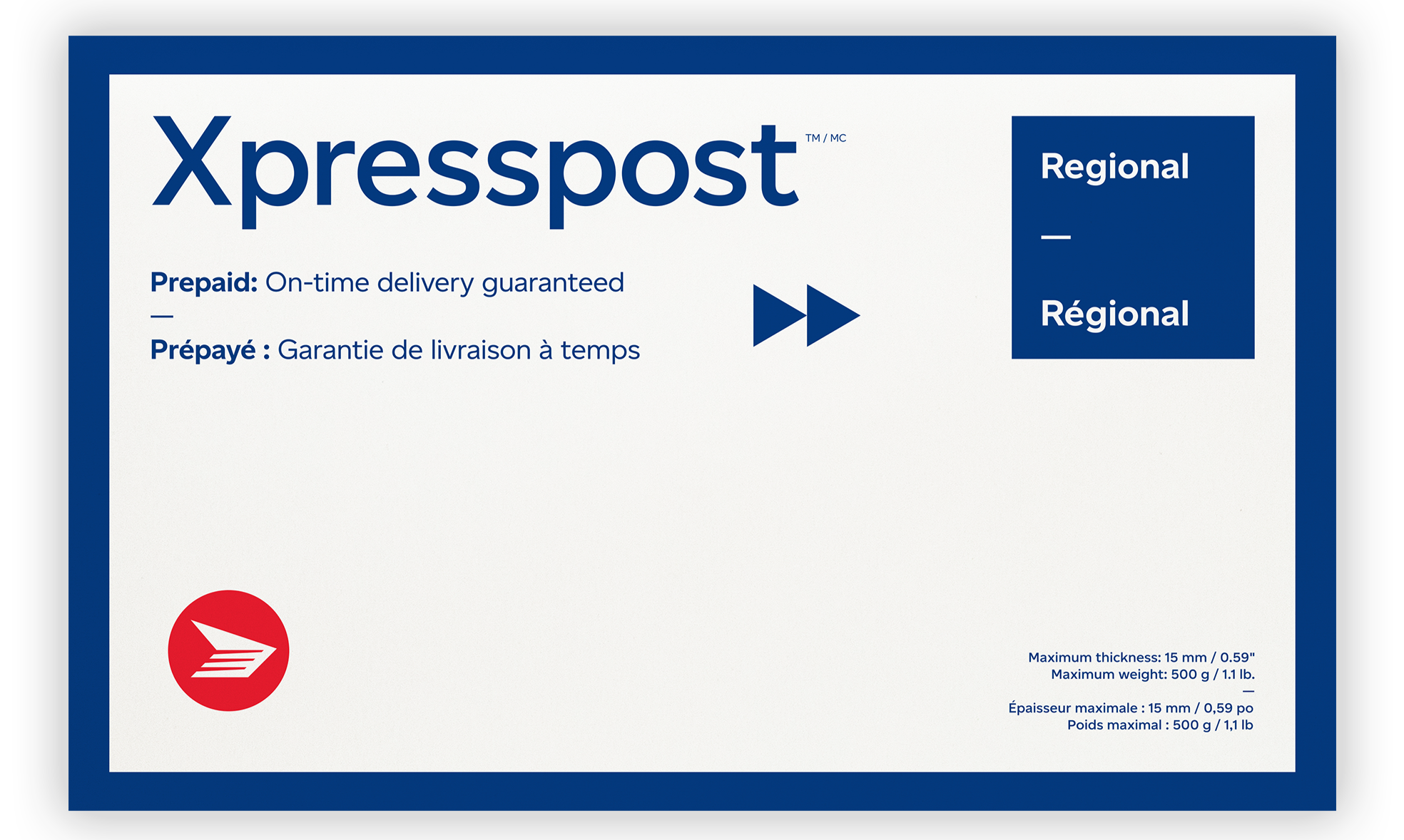
This is the way we have sent money in the past to inmates in a Federal Institution. There may be other ways or other services you can use, but this was the most straightforward, convenient and cost-effective.
Go to a Canada Post outlet
Purchase a money order in the total amount you wish to send (note that the limit for money orders via Canada Post is $999.99, so if you’re sending more than that amount, you will have to purchase TWO money orders, but both should be sent in the same envelope, at the same time)
Address the money order to the inmate’s full name
Purchase a tracked envelope/Xpress Post and send it via mail to the institution (address it to the inmate, c/o the institution and the institution's address). Do not forget to include your return name and address.
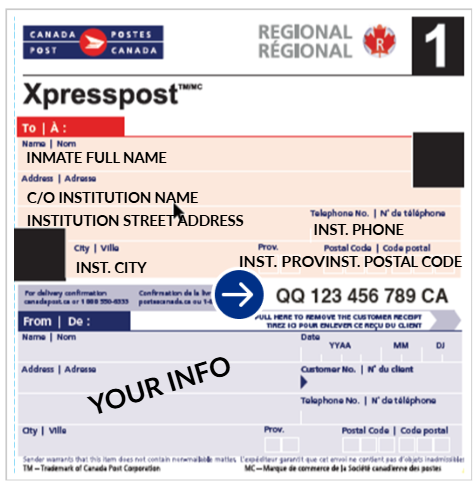
Canada Post employees recommend taking a photo of label on the envelope so you have record of the tracking number (it should also be on your receipt).
Do not forget any other necessary documents, such as a photocopy of your government ID (if required, your loved one should communicate this to you). If you forget, they WILL send back your envelope and you will have to resend it.
Note: You CAN send money orders through regular letter mail, but it’s recommended you send money (and all other vital forms like visitation forms) through a tracked service.
What if Canada Post is on strike?
You can purchase money orders from banks, credit unions and some retailers like Money Mart, etc. To send the money order, you can use an alternative courier service.
Can you send a personal cheque?
The CSC website mentions that you can send a “Canadian cheque,” but it’s unclear whether this includes personal cheques. Since personal cheques often require additional verification and processing time, we recommend sending a money order for convenience and quicker turnaround instead.
Still have questions about sending money?
In order not to duplicate existing resources, it’s strongly recommended that you view the link below for more information. This link will open in a new browser tab, and information will be found near the bottom of the page.